

Excavation contractors play a critical role in site development and property development across this region, ensuring areas are adequately prepared for construction, landscaping, and infrastructural projects. Their skills encompasses a spectrum of tasks, from excavating foundations to managing complex soil conditions, all while following regulatory requirements and health and safety standards. As Excavating Contractors of the construction industry, excavation professionals not only prepare the groundwork for new developments but also tackle challenges specific to Ontario's varied landscapes and climates.
In this comprehensive guide, we will examine various components of excavation services in Ontario, emphasizing key factors such as frost line measurements, soil management, safety regulations, and the essential checklist for site preparation. Whether you're preparing for a new residential build, a business project, or managing excavation for utilities, understanding the nuances of the field will empower you to make wise decisions, boost efficiency, and secure project success.
Excavation Principles in the province of Ontario
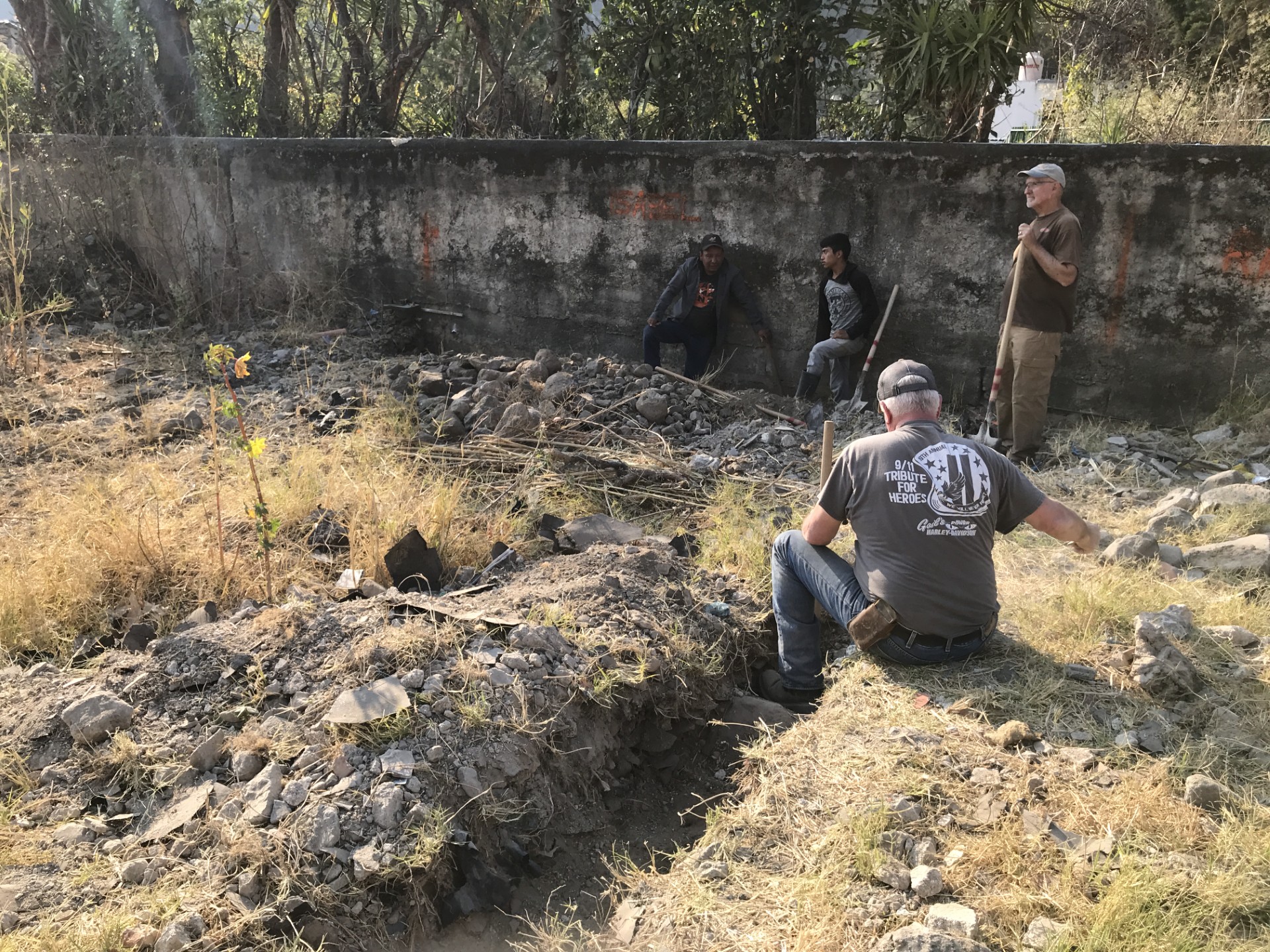
Digging is a critical primary step in construction projects across the province of Ontario, playing a vital role in setting up the location for foundation work, subsurface utilities, and landscaping. The procedure encompasses various tasks such as excavating, trenching, and smoothing, ensuring that the ground is sufficiently prepared to support the constructs to be erected. Understanding Commercial Excavation and guidelines associated with excavation is essential for both contractors and landowners to guarantee a successful project outcome.
One of the main considerations in digging is the frost line depth, which greatly impacts excavating foundations. In Ontario Province, the frost line can differ depending on the location, affecting how deep foundation footings must be placed to avoid structural injury from frost heave in the winter months. Excavators must be knowledgeable about these levels and how they influence excavation practices, as improper depth can lead to costly repairs down the line. Additionally, complying with local building codes and standards is crucial to secure compliance and the safety of the project.
Another important aspect of digging in Ontario Province is the need for adequate site setup before any digging starts. This includes assessing the soil quality, which can vary significantly throughout the province, and guaranteeing that any existing underground utilities are identified and protected through services like the Ontario utility locating service. By thoroughly preparing Excavation Services and adhering to safety protocols, contractors can reduce risks associated with excavation, such as encountering unforeseen challenges or affecting buried infrastructure.
Protection Guidelines and Optimal Procedures
Excavation activities in Ontario is governed by rigorous safety regulations to safeguard workers and the community. The Labour Ministry outlines comprehensive guidelines that excavation contractors must adhere to, including adequate training for workers, use of personal protective equipment, and establishment of safety measures such as support and trenching standards. Contractors are responsible for familiarizing themselves with these regulations to ensure adherence and to reduce potential risks on the job site.
Moreover, excavation contractors are encouraged to create a safety plan customized to their specific project needs. This plan should include project-related risks, an emergency response strategy, and regular safety meetings to keep all team members informed. Implementing best practices, such as conducting comprehensive site inspections before commencing work and ensuring all machinery is in good condition, can significantly minimize accidents and enhance general site safety.
Moreover, an important aspect of excavation safety is clear communication. Contractors should create clear lines of communication among team members and with clients to address safety concerns swiftly. Utilizing modern tools, such as site monitoring systems, can further enhance safety measures. By fostering a safety-oriented environment and compliance, excavation contractors in Ontario can conduct their work more effectively while prioritizing the safety of their crew and the surrounding community.
Cost Factors and Machinery Considerations
As you planning an earthmoving initiative in Ontario, understanding the financial elements is essential for budgeting. Several aspects can affect excavation costs, including site location, the type of soil, and project complexity. For instance, locations with heavy clay soil, notably in the GTA, often require specific equipment and techniques, which can increase expenses. Moreover, geographic differences between urban and rural settings can lead to discrepancies in labor rates and logistics costs, adding further layers to the overall project costs.
The decision of machinery plays a significant role in in terms of efficiency and cost management. Contractors must determine whether to use compact excavators, large excavators, or skid steers based on the project's particular specifications and environmental factors. Mini excavators may be ideal for residential projects with restricted entry, while larger excavators are more appropriate for business or bulk earthmoving tasks. Proper tool selection not only affects the upfront cost but also has consequences on ongoing expenses such as energy use and upkeep.
In conclusion, it is crucial to consider the compliance and authorization needs that can also impact expenses. Complying with Ontario’s digging regulations, securing necessary permits through community regulatory agencies, and complying with O. Reg. 406/19 for excess soil management can introduce additional expenses and time delays. A well-prepared contractor will ensure that all machinery is compliant with safety regulations and that costs are taken into consideration in the complete project budget, leading to a more efficient excavation activity.