

Excavation is a vital process in building, serving as the foundational step for a variety of projects, from residential homes to business structures and infrastructural projects. In the province of Ontario, where the terrain can vary dramatically from urban areas to agricultural land, understanding the nuances of excavation becomes crucial for both excavation professionals and property owners. This guide aims to provide insight on the essential factors of engaging and working with excavation contractors in Ontario, including vital regulations, safety measures, and effective strategies to ensure successful outcomes.
From navigating the challenges of the Ontario frost line depths and the permitting processes required by municipal conservation bodies to understanding soil types and excavation costs across the southern region of Ontario, this detailed resource covers all the necessary topics for anyone considering excavation work. Whether you are preparing for a new home build, overseeing a renovation, or preparing land for agricultural use, having a strong understanding of excavation practices will empower you to make wise decisions and lead to a less complicated project execution.
Comprehending Ontario Excavation-related Guidelines
Digging in Ontario is regulated by a extensive framework of guidelines aimed to ensure security, protection of the environment, and local community standards. Contractors must comply with local and provincial guidelines, including securing the required permits and complying with local zoning rules. Before initiating any excavation project, it is important to consult bodies like the Ontario Ministry of Labour and the local Conservation Authority, which manage various components of excavation work, including safety regulations and effects on the environment.
One essential aspect of excavation regulations in Ontario is the process of site assessment and preparation. This includes following the One Call system in Ontario service, which protects excavation projects by making sure that contractors locate and mark the locations of underground utilities before digging. Neglecting to comply with these regulations can result in serious consequences, such as accidents, damage to property, and expensive delays in project timelines. Knowing the importance of these regulations is essential for contractors to steer clear of legal repercussions and ensure the safety of their job sites.
In addition to safety rules, excavation contractors in Ontario must also consider environmental laws, particularly regarding soil management and controlling erosion. The Excess Soil Management Regulations established in Ontario aim to minimize the impact of excavation on the environment and prevent the contamination of local ecosystems. Following these regulations not only helps in maintaining compliance but also promotes sustainable construction practices that contribute to the overall health of Ontario's natural surroundings.
Important Aspects for Digging Jobs
As planning an excavation project in the province, it's essential to understand the local frost line dimensions, as this affects foundation excavation considerably. Frost can lead to heaving and other problems if not carefully addressed. Ensuring that your excavation extends underneath the frost line will help to avoiding future problems with your building's foundation, particularly in areas where cold weather can fall significantly. It's prudent to talk to a professional who knows the nuances of regional soil types and frost limits.
Safety regulations must also be at the forefront of any digging project. Following the Ontario Ministry of Labour regulations related to trenching safety and shoring is essential. Proper shoring techniques can avoid cave-ins and provide protected working environments, especially for deeper excavations. Contractors must be informed about these regulations to ensure adherence and protect both workers and the public during the project.
In conclusion, understanding the key elements that affect excavation prices across the southern region of Ontario will help project owners budget more effectively. Variations in soil type, site accessibility, and required machinery all play a role in determining overall costs. Heavy clay soils, for example, may demand more specialized equipment and techniques. Being aware of these elements in prior will facilitate smoother project management and help prevent unexpected costs.
Best Practices for Secure and Effective Digging
Ensuring safety on an excavation location begins with a comprehensive assessment of the area and a precise understanding of the Ontario frost line depths. This knowledge is critical for foundation excavation to avoid future complications such as settling or heaving. Before Excavation Companies digging begins, contractors should confirm that all utilities are identified and follow the guidelines provided by Ontario One Call. Utilizing Excavation Contractor detailed site preparation checklist not only expedites the excavation process but also minimizes risks.
Sufficient training and compliance with the Ontario Ministry of Labour regulations are important for trenching safety and shoring practices. Contractors must utilize proper equipment and safety gear to protect workers and the site as well. Consistent safety drills and meetings can boost teamwork and ensure that each crew member is aware of their responsibilities and safety protocols. Fostering a culture of safety can significantly lessen risks during excavation.
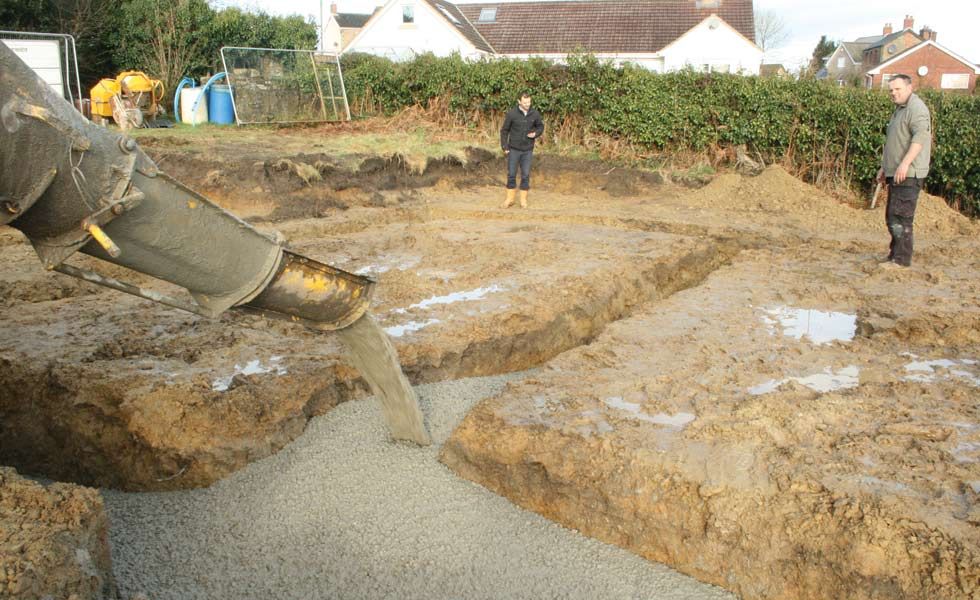
Moreover, effective site management practices such as effective lot grading and erosion control measures play a crucial role in maintaining site integrity. Focus on details like soil compaction testing and drainage verification ensures durability and longevity of the building being built. Incorporating environmentally responsible practices, like managing excess soil and protecting Tree Protection Zones, helps in achieving positive excavation outcomes while fulfilling local conservation standards.