

Digging is a critical phase in any construction project, laying the groundwork for everything that follows. In Ontario, where different soil conditions and varying climates impact excavation techniques, selecting the right builder is essential for a successful outcome. Whether you’re a homeowner looking to construct your ideal house or a entrepreneur embarking on a commercial enterprise, understanding the details of excavation in this province can make all the difference.
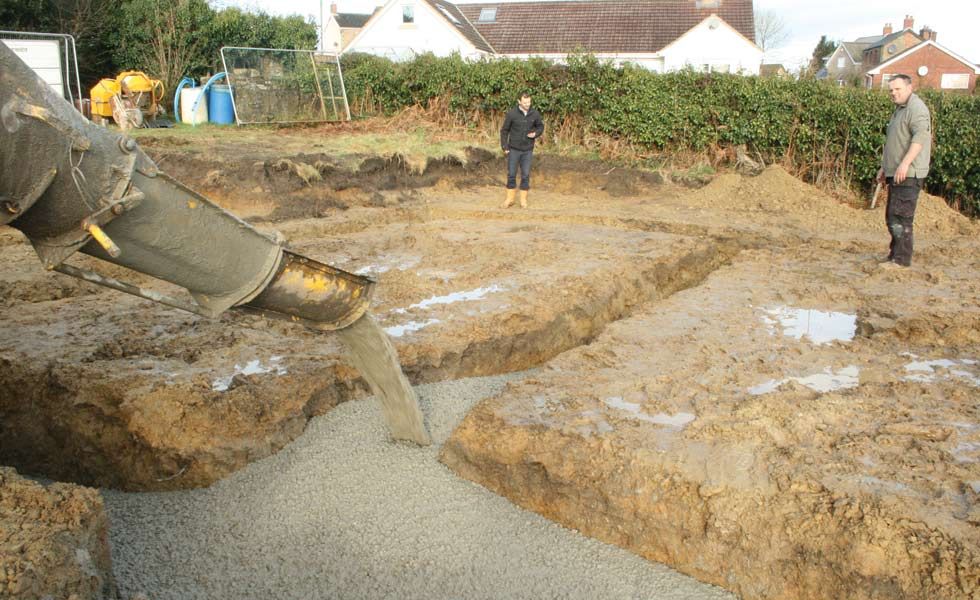
From handling the complexities of Ontario's frost line depths to ensuring compliance with regulatory regulations, there's much to think about before breaking ground. This manual explores various aspects of excavation, providing insights on everything from essential site readiness guides to the specific challenges posed by Ontario's heavy clay soil. As you begin your excavation process, being well-informed will assist you take better decisions and ultimately result in the triumph of your project.
Comprehending Excavation Regulations in the province of Ontario
Excavation works within Ontario are governed by a series of laws designed to maintaining security and environmental safeguarding. It is crucial for providers and property owners to acquaint themselves the relevant laws ahead of initiating all excavation work. Commercial Excavation are composed of the Ontario Code, that specifies the requirements for substructure diggings and frost line levels, and the Occupational Health and Safety Act, detailing standards for employee protection during digging activities.
Before initiating excavation, it is also crucial to engage with Ontario One Call. This organization helps shield excavation projects by locating and marking underground infrastructure to prevent financially burdensome and risky accidents. Understanding the procedures for notifying One Call guarantees that your project complies with safety regulations and mitigates threats associated with intersecting subsurface utilities while digging.
In addition, local conservation authorities impose regulations related to environmental safeguarding, soil management, and land management. Acquiring necessary permits and complying with protocols set out by these authorities is imperative for efficient excavation projects, particularly in critical areas. Guaranteeing adherence with these rules not only protects the ecological integrity but additionally contributes integrity to the project and shields the contractors from possible legal issues.
Essential Aspects for Earthmoving Projects
When initiating an earthmoving project in Canada, grasping the distinct site conditions is crucial. Landscape diversity, soil characteristics, and wetness can greatly impact your excavation work. For example, areas with heavy clay soil may require particular equipment and methods to ensure proper handling. Additionally, being aware of the frost line depth is essential to avoid complications related to foundation integrity during colder months. A thorough site assessment will not only facilitate effective planning but also help in estimating project costs more accurately.
Safety is another paramount consideration for any earthmoving project. Acquainting yourself with the guidelines set out by the Ontario Ministry of Labour is essential, especially when it comes to safety in trenching and support systems. Ensuring that all workers are educated in safety measures and equipped with suitable gear can prevent incidents and injuries. Moreover, using Ontario's utility marking service is necessary for identifying buried utilities before earthmoving begins, ensuring the safety of your team and the stability of surrounding utilities.
Lastly, the environmental considerations and adherence with local regulations must be carefully managed. This includes securing necessary permits from conservation authorities and complying with excess soil management regulations. Putting in place proper erosion and sediment control measures is not just a regulatory requirement but also critical for safeguarding Ontario’s natural resources during and after digging. Navigating these considerations will lead to a fruitful and eco-friendly earthmoving project.
Optimal Methods for Safe and Efficient Excavation
Guaranteeing the safety and productivity of excavation projects begins with comprehensive planning. Excavation teams should conduct detailed site assessments to identify likely hazards and understand the particular requirements of the job. This involves examining regional regulations, engaging with stakeholders, and considering surroundings impacts. Developing a detailed project plan that outlines schedules, equipment needs, and safety protocols is vital to keeping the excavation process well-organized and compliant with relevant laws.
Additionally, adequate training and coordination among crew members are critical components of effective excavation practices. Excavation Companies should be acquainted with the equipment they operate and the safety measures relevant to their tasks. Regular safety meetings can help reinforce protocols and address any emerging concerns. Moreover, implementing a designated safety officer on-site can ensure conformance to safety standards and provide swift responses to any incidents or near-misses.
Finally, employing the suitable technology and techniques can considerably enhance excavation efficiency. Modern machinery such as GPS-guided excavators can improve precision, while the use of hydro excavation minimizes soil disruption and reduces the risk of damaging underground utilities. Continuous oversight and adapting to project conditions, such as soil type or weather changes, will lead to better outcomes. Focusing on best practices in safety and efficiency finally results in effective excavation projects that meet both deadlines and quality standards.